
Losing a dental crown — especially at night, over a weekend, or right before an important event — ranks among the most stressful dental emergencies you can experience. If you're frantically searching for lost dental crown what to do, take a breath: while it feels alarming, a dislodged crown is rarely life-threatening. That said, the exposed tooth underneath is vulnerable to pain, infection, and further damage, so acting quickly and correctly matters. This guide walks you through every step, from the moment the crown comes off to the second you sit down in a dentist's chair.
Why Dental Crowns Fall Off — and How Common Is It?
Dental crowns are designed to last anywhere from 10 to 30 years, but a surprising number dislodge well before their expected lifespan. According to dental industry surveys, crown failure accounts for roughly 5–7% of all dental emergency visits in the United States each year. Understanding why crowns fail helps you prevent it from happening again.
Common Causes of a Lost Crown
- Weakened dental cement: Over time, the adhesive bond between the crown and the underlying tooth structure deteriorates — especially with exposure to acidic foods and beverages.
- Tooth decay beneath the crown: If the tooth structure under the crown develops decay, it shrinks slightly, breaking the seal and letting the crown work loose.
- Chewing hard or sticky foods: Biting down on ice, hard candy, or sticky foods like caramel can pop a crown right off.
- Bruxism (teeth grinding): Chronic grinding generates enormous pressure — often exceeding 250 lbs per square inch — that can fracture the cement bond over time.
- Physical trauma: A blow to the face during sports or an accident can knock a crown loose instantly.
Is a Lost Crown a True Dental Emergency?
Not every lost crown requires a midnight trip to an emergency dentist, but many do. You should seek same-day or after-hours emergency dental care if you experience severe pain, visible cracks in the remaining tooth, signs of infection (swelling, fever, bad taste), or if the exposed tooth is extremely sensitive to air, temperature, or pressure. Left unprotected, the underlying tooth — often significantly reduced in structure when the crown was placed — can fracture completely, turning a simple re-cementation into a costly extraction or implant procedure.
Step-by-Step: What to Do Immediately After Losing a Crown
The first 30 minutes after losing a crown are critical. Here's exactly what to do in the right order.
1. Find and Save the Crown
Don't throw it away. Rinse the crown gently with warm water and store it in a small zip-lock bag or clean container. Your dentist may be able to re-cement the original crown, saving you the cost of a replacement — which can run anywhere from $1,000 to $1,700 per crown in 2026, depending on material and location. Porcelain-fused-to-metal and all-ceramic crowns fall at the higher end of that range.
2. Examine the Exposed Tooth
Look in a mirror with good lighting. If the tooth appears brown, black, or crumbly, there may be decay underneath. If you see a jagged edge or feel a sharp fragment, be careful not to cut your tongue or cheeks. Avoid touching the exposed area with unwashed hands to reduce infection risk.
3. Apply a Temporary Over-the-Counter Fix
Pharmacies and grocery stores stock temporary dental cement products — brands like Dentemp, Recapit, and Dentek Temparin Max cost between $6 and $12 and can hold a crown in place for days to weeks. Follow the package instructions carefully:
- Dry the inside of the crown and the exposed tooth surface with a clean cloth or gauze.
- Apply a small amount of temporary cement to the inside of the crown.
- Press the crown gently onto the tooth and bite down softly to seat it properly.
- Wipe away any excess cement that squeezes out around the edges.
Important: Temporary cement is not a permanent solution. It buys you time — not a cure. Never attempt to use super glue or household adhesives, which can cause serious damage to your tooth and gum tissue.
Managing Pain and Sensitivity at Home
Even with the crown temporarily re-seated, some discomfort is normal. If the crown won't stay on, the exposed tooth can be intensely sensitive. Here's how to manage it.
Over-the-Counter Pain Relief Options
- Ibuprofen (Advil, Motrin): Best for dental pain because it reduces both pain and inflammation. Follow dosage instructions on the label. Adults can typically take 400–600 mg every 6–8 hours with food.
- Acetaminophen (Tylenol): A good alternative if ibuprofen is contraindicated for you. Do not exceed 3,000 mg per day.
- Clove oil (eugenol): A natural analgesic. Apply a tiny amount with a cotton swab directly to the exposed tooth surface for fast temporary numbing. Clove oil is actually the active ingredient in many professional dental pain products.
- Desensitizing toothpaste: Brands like Sensodyne can reduce sensitivity on exposed dentin if applied directly to the tooth and left in place for a few minutes.
Foods and Habits to Avoid
Until you see a dentist, give the area every possible advantage by avoiding: very hot or cold foods and drinks, sticky or chewy foods, hard foods like nuts or raw vegetables, and chewing on the affected side altogether. Stick to soft foods — yogurt, mashed potatoes, scrambled eggs, smoothies — and eat on the opposite side of your mouth whenever possible.
When to Go to an Emergency Dentist Right Away
Some lost crown situations escalate beyond a manageable inconvenience. Seek emergency dental care immediately if you notice any of the following warning signs:
- Severe, throbbing pain that doesn't respond to over-the-counter medication
- Swelling in your jaw, cheek, or gums near the affected tooth
- Fever above 100.4°F (38°C) — a potential sign of dental abscess or spreading infection
- Pus or a bad taste coming from the area around the tooth
- The crown cannot be re-seated because the tooth is fractured or broken
- Difficulty swallowing or breathing — seek an emergency room immediately in this case
A dental abscess that goes untreated can spread to the jaw, neck, and in rare cases the brain. This is a genuine medical emergency. Don't wait it out hoping it improves on its own.
What Happens at the Dentist's Office
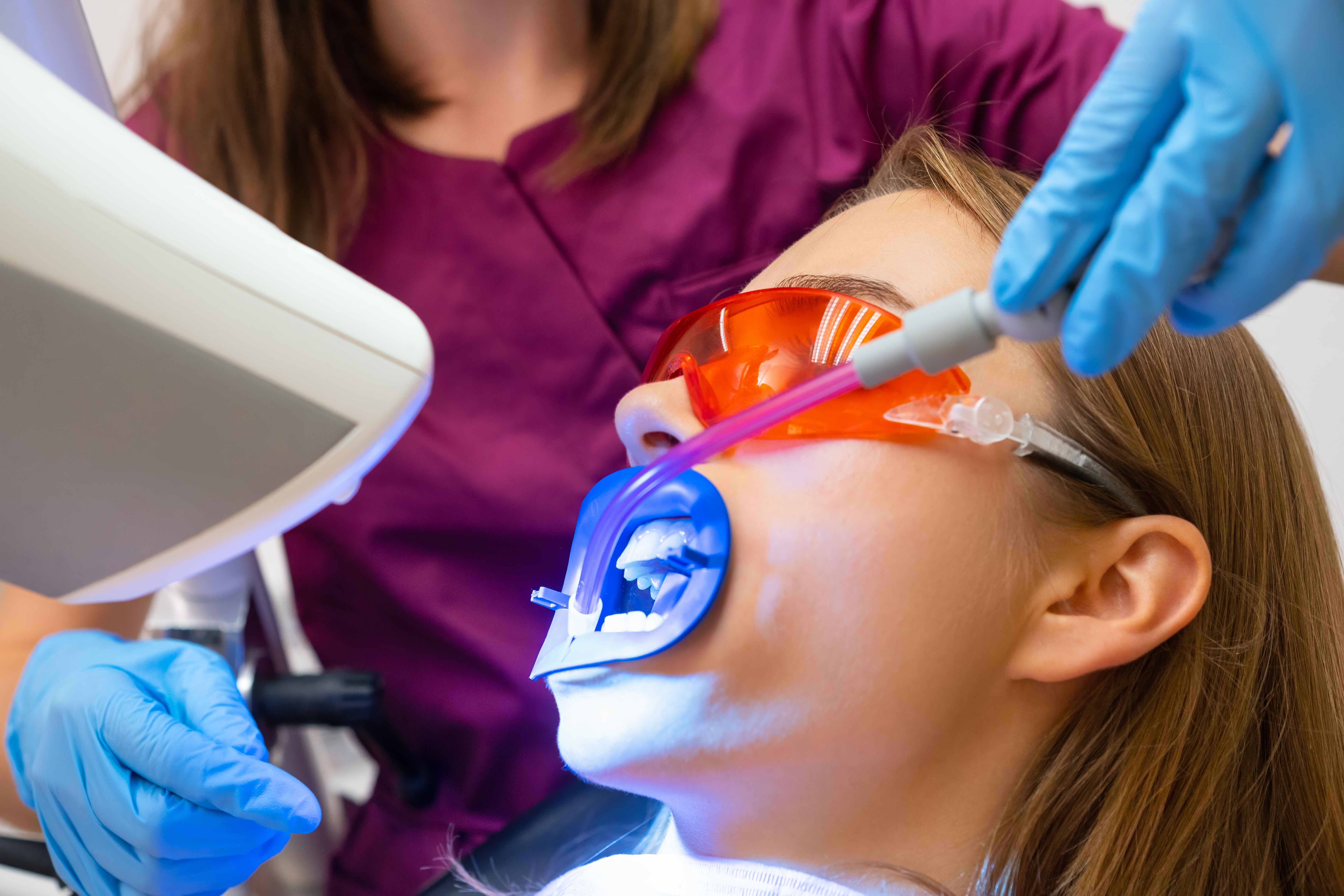
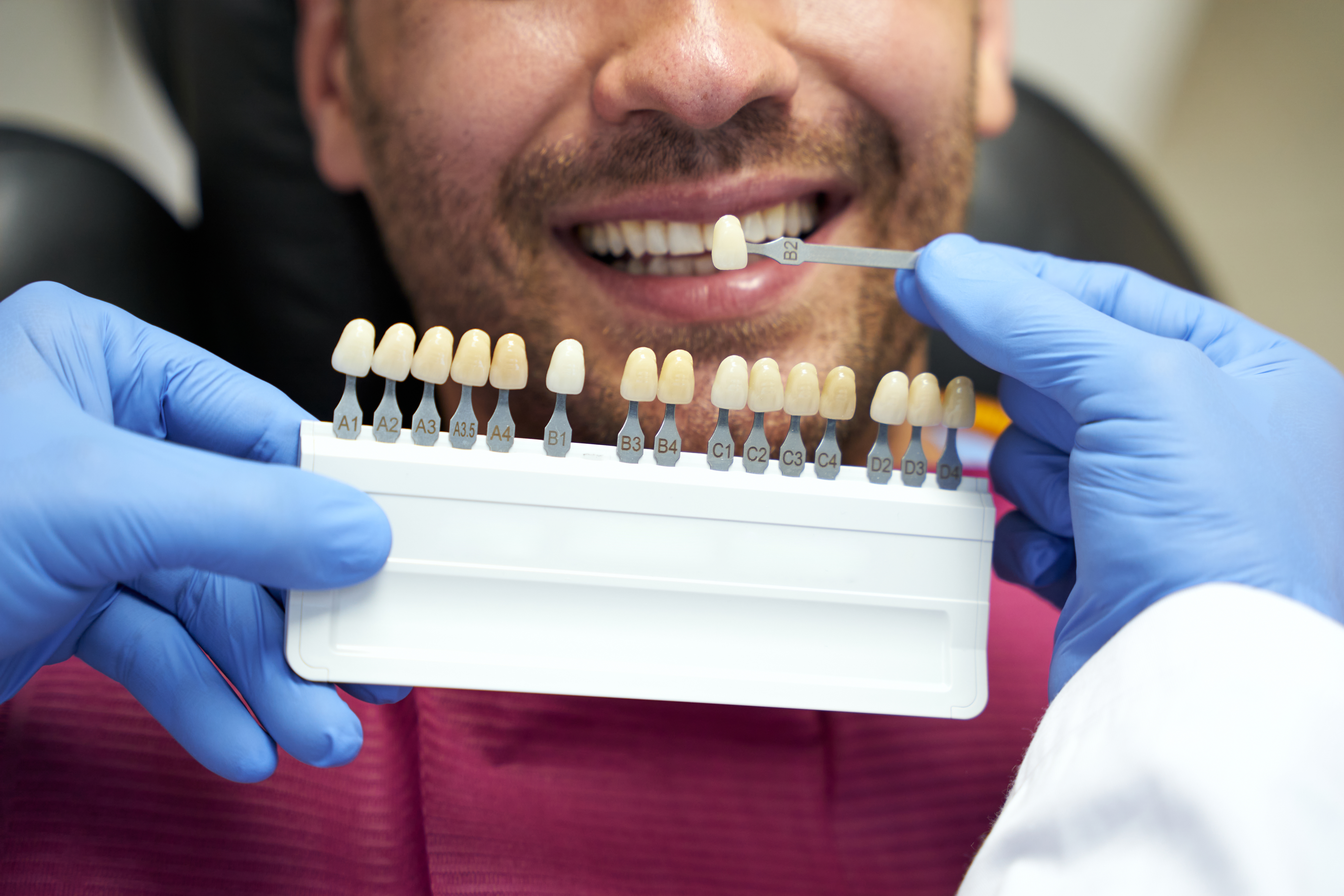
When you arrive for your emergency appointment, your dentist will take an X-ray to assess the health of the underlying tooth and root. If the tooth structure is intact and the crown is undamaged, they'll clean and re-cement the crown — a process that typically takes less than 30 minutes and costs between $75 and $200 for re-cementation alone. If the crown is cracked, or if decay has compromised the tooth, a new crown will need to be fabricated, which usually involves a temporary crown while your permanent one is made in a lab (typically 1–2 weeks). Some practices with in-office CEREC technology can mill a same-day ceramic crown in a single visit.
Frequently Asked Questions
Can I leave a lost crown off and wait a few days?
Technically yes, but it's not recommended. The exposed tooth is at high risk of sensitivity, cracking, and bacterial invasion the longer it goes unprotected. Even a few days without coverage can allow the surrounding teeth to shift slightly, making re-seating the original crown more difficult. Aim to see a dentist within 24–48 hours at most.
What if I swallowed my crown?
If you accidentally swallowed your crown, don't panic — dental crowns are small and smooth, and in the vast majority of cases they pass through the digestive system naturally within 24–72 hours without causing harm. However, if you experience chest pain, difficulty swallowing, or shortness of breath, seek emergency medical care immediately as the crown may have been inhaled into the airway rather than swallowed.
How much does it cost to replace a lost crown?
In 2026, crown replacement costs vary widely. Re-cementing an existing undamaged crown typically costs $75–$200. A brand-new crown ranges from $800–$1,700 depending on material (metal, porcelain-fused-to-metal, or all-ceramic) and your geographic location. Dental insurance often covers 50% of crown costs after deductibles, and many emergency dentists offer payment plans or financing options.
Can I use super glue to reattach my crown?
Absolutely not. Super glue (cyanoacrylate) is toxic when it comes into contact with soft tissue and can cause chemical burns to your gums. It also bonds so aggressively that it can destroy both the crown and the tooth structure beneath it when a dentist attempts to remove it. Always use a purpose-made temporary dental cement from the pharmacy.
Will my dentist see me the same day for a lost crown?
Most dental offices prioritize lost crowns as urgent cases and can typically see you the same day or within 24 hours, especially if you're an existing patient. If your regular dentist isn't available, emergency dental services and walk-in dental clinics can help. Many areas also have dentists who offer extended hours or 24-hour availability for exactly these situations.
Does losing a crown hurt?
It varies. Some patients feel no pain initially, while others experience immediate sharp sensitivity, especially to cold air, cold liquids, or sweet foods. Pain typically indicates that the pulp of the tooth (the nerve) is exposed or irritated. If pain is severe or worsening, that's a signal to seek emergency dental care promptly rather than waiting for a routine appointment.
The Bottom Line: Act Fast, Stay Calm
A lost dental crown is stressful, but it's a manageable emergency when you know what to do. Save the crown, apply a temporary over-the-counter cement, manage your pain with ibuprofen or clove oil, eat soft foods, and get to a dentist as soon as possible — ideally within 24 to 48 hours. Watch closely for red flags like swelling, fever, or severe pain that signal something more serious is developing. The faster you act, the more likely your dentist can simply re-cement the original crown and save you significant time and money.
Need to find an emergency dentist near you right now? Visit Top5EmergencyDentist.com to locate same-day and 24-hour dental providers in your area. Don't wait — your tooth can't afford to.