If you've just bitten down on something hard and felt that sickening crack, your first hope is probably that it'll sort itself out. So can a cracked tooth heal on its own — the way a broken bone eventually does? According to dentists, the answer is a firm no. Unlike bones, tooth enamel contains no living cells capable of regeneration, which means once a crack forms, it cannot repair itself. The good news is that with the right treatment — and the right timing — a cracked tooth can absolutely be saved. Here's everything you need to know, straight from dental professionals.
Why a Cracked Tooth Cannot Heal Itself
Tooth enamel is the hardest substance in the human body, but it's also completely non-regenerative. Bones can remodel and knit back together because they contain living cells called osteoblasts. Enamel, by contrast, is formed by cells called ameloblasts — and those cells are gone by the time your adult teeth fully erupt. This means the body has no biological mechanism to fill in or fuse a crack in enamel or dentin.
Left untreated, a crack doesn't stay the same size. Everyday forces — chewing, temperature changes, and even clenching your jaw at night — cause the fracture to flex and slowly widen. What starts as a hairline crack can progress into a full split or an abscess-causing infection within months, or even weeks.
What Happens When You Ignore a Cracked Tooth
Ignoring a cracked tooth is one of the most common (and costly) dental mistakes. Here's what the progression typically looks like:
- Stage 1: A superficial crack in the enamel — little or no pain, often invisible to the naked eye.
- Stage 2: The crack reaches the dentin, causing sharp pain when eating cold, hot, or sweet foods.
- Stage 3: The crack reaches the pulp (nerve), leading to intense, spontaneous pain and possible infection.
- Stage 4: The tooth splits or becomes abscessed, potentially requiring extraction rather than restoration.
A 2025 survey by the American Association of Endodontists found that cracked teeth are now the third most common cause of tooth loss in adults under 50. Early intervention dramatically changes that outcome.
The 5 Types of Tooth Cracks — and Which Are Most Serious
Not every crack is a dental emergency, but some definitely are. Dentists classify tooth fractures into five main categories:
Craze Lines, Fractured Cusps, and Split Teeth
- Craze lines: Tiny, superficial cracks in the enamel only. Very common in adults, usually cause no pain, and rarely require treatment beyond monitoring.
- Fractured cusp: A piece of the tooth's chewing surface breaks off, often around an old filling. Usually not very painful because the pulp isn't involved — typically repaired with a crown.
- Cracked tooth: A crack that extends from the chewing surface downward, potentially reaching the root. This is serious and requires prompt treatment — usually a crown, root canal, or both.
- Split tooth: The tooth has fractured into two distinct segments. Often the result of an untreated crack. Partial or full extraction is frequently the only option.
- Vertical root fracture: Starts at the root and moves upward. Often causes minimal symptoms until infection sets in. Extraction or endodontic surgery is typically required.
The bottom line: the deeper the crack, the more urgent and expensive the treatment. Acting early on a cracked tooth can save you thousands of dollars and a lot of pain.
Symptoms of a Cracked Tooth You Shouldn't Dismiss
Cracked teeth are notoriously tricky to diagnose — even dentists sometimes need X-rays, dye tests, or magnification to spot them. That said, there are clear warning signs that something is wrong:
Pain Patterns That Signal a Cracked Tooth
- Sharp pain when biting down that disappears quickly (a classic cracked tooth symptom)
- Sensitivity to hot or cold that lingers for more than a few seconds
- Intermittent toothache that's hard to pinpoint to one tooth
- Swelling in the gum around a single tooth
- Pain when releasing bite pressure (not just when biting down)
If you're experiencing any combination of these symptoms, don't wait to "see if it gets better." A cracked tooth will not improve without treatment — it will only worsen. Call a dentist as soon as possible, and if it's outside office hours, search for a 24-hour emergency dentist in your area.
Treatment Options for a Cracked Tooth in 2026
The treatment your dentist recommends depends entirely on the type, location, and depth of the crack. Here's what to expect at different stages:
From Bonding to Root Canal: Matching Treatment to Severity
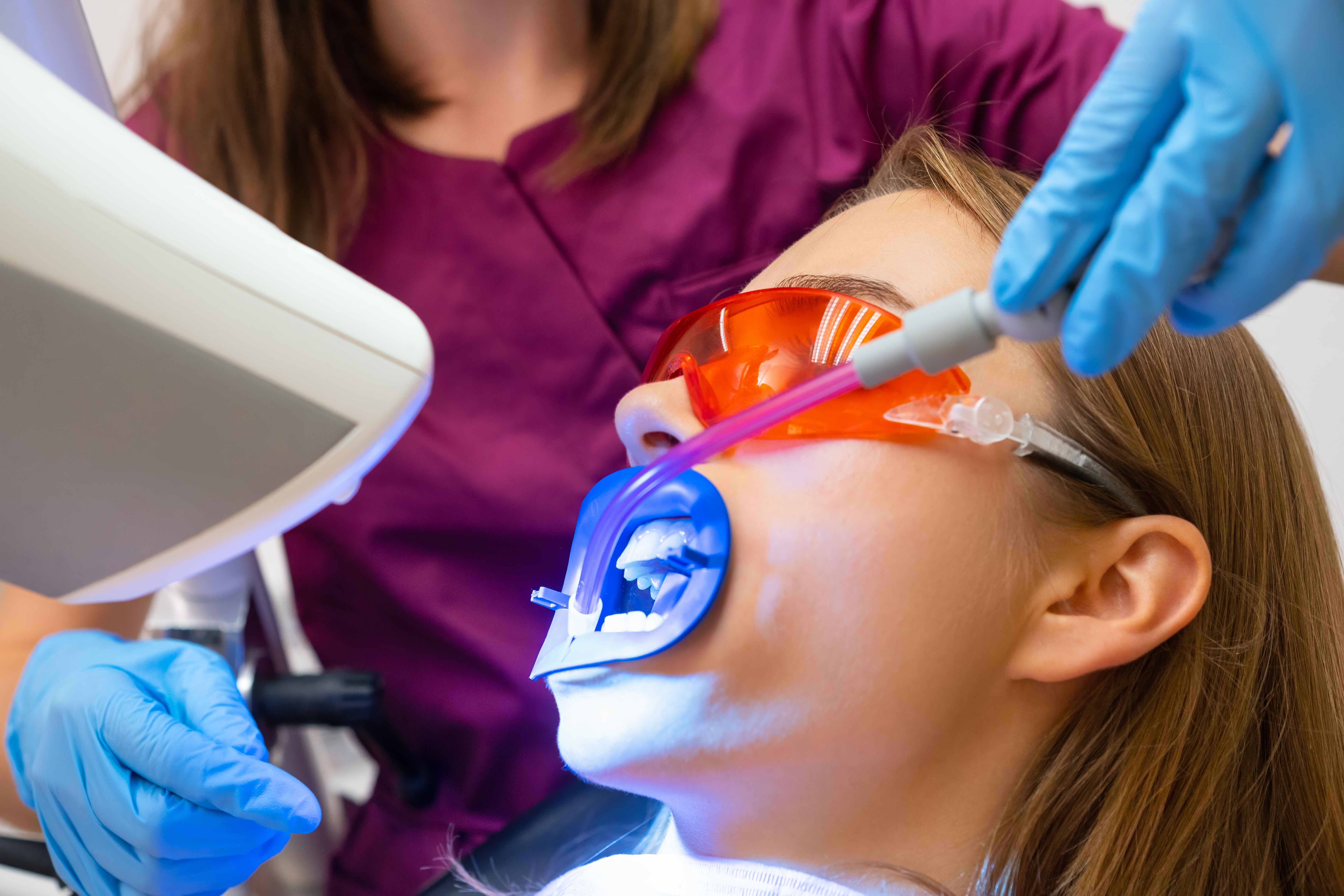
- Dental bonding: Used for minor surface cracks or chips. A tooth-colored resin is applied and hardened with UV light. Cost: $100–$400 per tooth. Quick, painless, and effective for superficial damage.
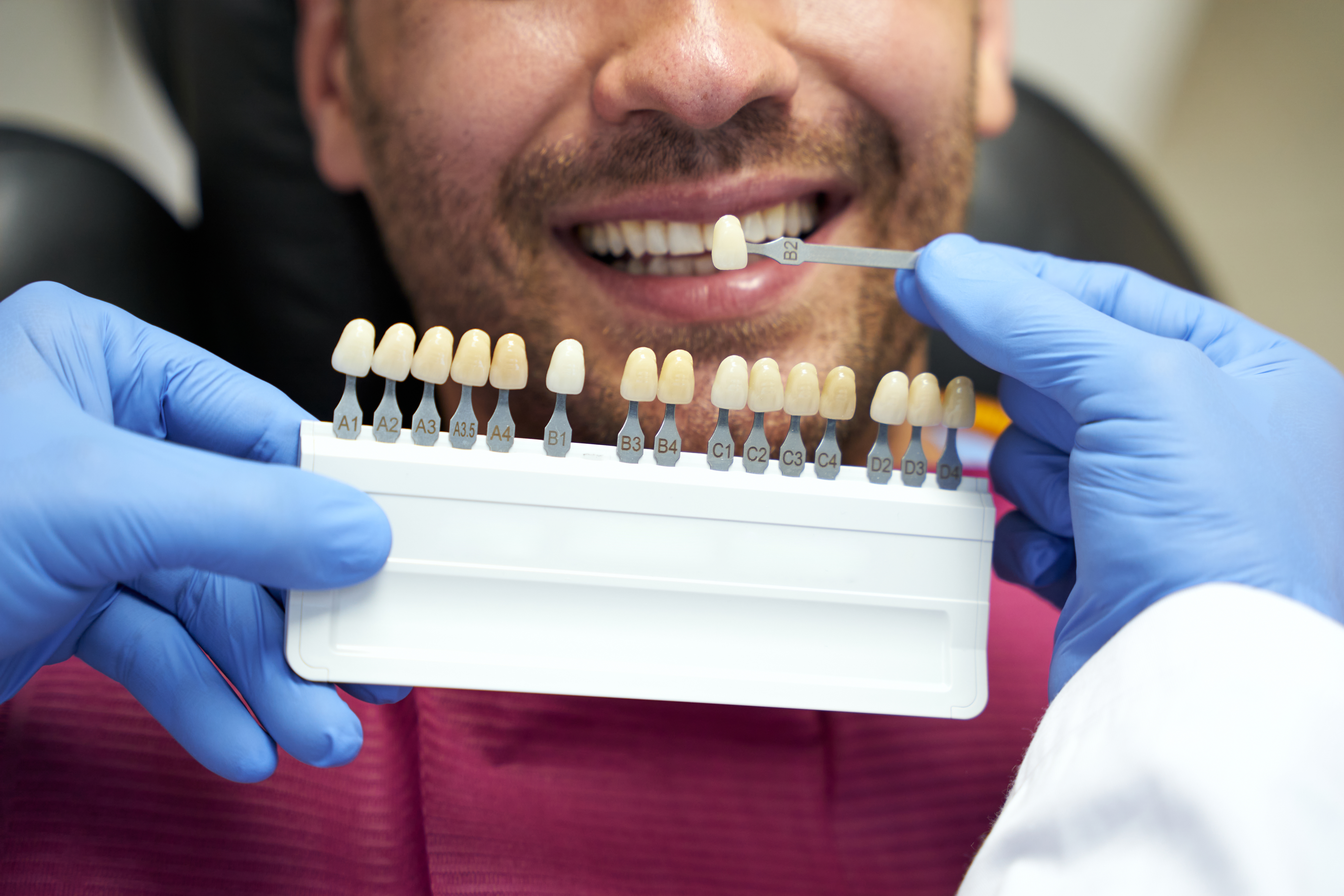
- Dental crown: The most common treatment for a cracked tooth that still has a viable root. A cap covers the entire tooth, preventing the crack from spreading. Cost: $1,000–$1,800 in 2026, depending on material and location.
- Root canal therapy: Required when the crack has reached the pulp. Contrary to its reputation, modern root canals are no more uncomfortable than a routine filling. Cost: $700–$1,500, plus the cost of a crown afterward.
- Tooth extraction: A last resort when the crack is too severe to save the tooth. An implant or bridge will then be needed to fill the gap. Total cost: $3,000–$5,000+ for implant restoration.
The earlier you seek treatment, the more likely you are to end up with the least invasive — and least expensive — option.
When a Cracked Tooth Is a Dental Emergency
Some cracked teeth can wait for a next-day appointment. Others cannot. Seek emergency dental care immediately if you experience:
- Severe, constant pain that is not relieved by over-the-counter painkillers
- Visible swelling in your jaw, cheek, or neck (a possible sign of dental abscess)
- Fever alongside tooth pain (infection spreading)
- A tooth that has physically split or a large visible piece has broken off
- Bleeding that doesn't stop within 10–15 minutes
A dental abscess in particular is a medical emergency — the infection can spread to the jaw, neck, and in rare cases the brain. Don't wait it out. Same-day dental appointments are available in most cities for exactly these situations.
Frequently Asked Questions
Can a cracked tooth heal without going to the dentist?
No. There is no home remedy, supplement, or waiting strategy that can heal a cracked tooth. Enamel cannot regenerate. The only way to stop a crack from progressing and restore the tooth's function is professional dental treatment. Home care like pain relievers and dental cement (available at pharmacies) can manage discomfort temporarily, but they are not treatments.
How do I know if my cracked tooth is serious?
Any crack that causes pain — especially when biting, releasing pressure, or reacting to temperature — should be evaluated by a dentist promptly. If you have swelling, fever, or constant throbbing pain, treat it as a dental emergency and seek same-day care.
Can a hairline crack in a tooth get worse over time?
Yes, absolutely. Even a small hairline crack is subject to the flexing forces of chewing. Over time, these micro-movements widen the fracture. What starts as a painless craze line can develop into a deep crack that threatens the tooth's nerve and root.
How long can you leave a cracked tooth before it becomes an emergency?
There's no universal timeline — it depends on the depth and location of the crack. Some people have undiscovered craze lines for years without consequence. However, once a crack causes pain or sensitivity, the window to save the tooth with minimal treatment is already narrowing. Dentists recommend being seen within 24–48 hours of noticing symptoms.
Does insurance cover cracked tooth treatment?
Most dental insurance plans cover a portion of cracked tooth treatment. Crowns are typically covered at 50%, and root canals at 50–80%, after your deductible is met. Check your plan's annual maximum — most cap coverage at $1,000–$2,000 per year. Some emergency dental clinics also offer payment plans for uninsured patients.
What should I do immediately after cracking a tooth?
Rinse your mouth gently with warm water. If there's swelling, apply a cold compress to the outside of your cheek for 10 minutes on, 10 minutes off. Avoid chewing on that side of your mouth. Take ibuprofen (if suitable for you) to manage pain and inflammation. Then call a dentist — ideally the same day. If it's after hours, look for a 24-hour emergency dentist near you.
Conclusion: Don't Wait on a Cracked Tooth
The answer to "can a cracked tooth heal on its own" is clear, consistent, and agreed upon by every dental professional: it cannot. But that doesn't mean you're out of options — far from it. When caught early, most cracked teeth can be treated effectively, affordably, and with minimal discomfort. The biggest risk isn't the crack itself; it's the delay. Whether you're dealing with a hairline fracture or a painful split, connecting with the right dentist quickly is the single most important step you can take. If you need help finding a same-day or 24-hour emergency dentist near you, visit Top5EmergencyDentist.com — your fastest route to qualified emergency dental care, any time of day or night.