
A broken tooth emergency can happen in the blink of an eye — one wrong bite on a hard candy, a slip on the sidewalk, or an accidental elbow to the face during a game, and suddenly you're dealing with sharp pain, a jagged edge, and a wave of panic. Knowing exactly what to do in those first critical minutes can mean the difference between saving your tooth and losing it entirely. Whether your tooth is chipped, cracked, or completely fractured, the steps you take before you reach the dentist matter enormously. This guide walks you through everything you need to know, right now.
Why a Broken Tooth Is Always a Dental Emergency
Many people make the mistake of assuming a broken tooth can "wait until Monday." In reality, even a seemingly minor chip can expose the sensitive inner layers of your tooth — the dentin and pulp — to bacteria, temperature, and physical trauma. Left untreated, this can escalate into a painful dental abscess, nerve damage, or total tooth loss within days.
According to the American Dental Association, dental injuries account for more than 5 million tooth losses per year in the United States, many of which could be prevented with prompt care. In 2026, the average cost of a tooth extraction and implant replacement sits between $3,000 and $5,500 — a stark contrast to the $150–$400 cost of an emergency visit and same-day repair. Acting fast is always the smarter financial and medical choice.
Signs Your Broken Tooth Needs Immediate Attention
Not all cracks look the same, and some are more urgent than others. Seek emergency dental care immediately if you experience any of the following:
- Severe, throbbing pain that doesn't subside
- Visible exposure of the tooth's inner pink or red tissue (the pulp)
- Heavy bleeding from the gum line around the broken tooth
- Swelling in the jaw, cheek, or neck
- Fever or a foul taste in your mouth (signs of infection)
- A large chunk of tooth that has broken off completely
Even if you're only experiencing mild discomfort, a same-day dental appointment is strongly recommended for any fractured tooth. Cracks are notorious for being invisible to the naked eye while causing significant internal damage.
Step-by-Step First Aid for a Broken Tooth Emergency
While you arrange to see an emergency dentist, these immediate actions can help reduce pain, prevent infection, and protect the remaining tooth structure.
Step 1: Rinse, Retrieve, and Protect
First, gently rinse your mouth with warm saltwater (half a teaspoon of salt in eight ounces of water). This cleans the area, reduces bacteria, and soothes irritated soft tissue. If a piece of your tooth has broken off, retrieve it carefully — do not scrub it. Store the fragment in a small container of milk or saline solution, or tuck it between your cheek and gum to keep it moist. Your dentist may be able to bond it back in place.
Avoid using tap water to store the fragment, as it can damage the cells and make reattachment less viable. Time is critical — try to see a dentist within one to two hours if a large piece has broken away.
Step 2: Control Bleeding and Swelling
If there is bleeding from the gum or surrounding tissue, apply gentle pressure with a clean piece of gauze or a damp tea bag (the tannic acid in black tea can help constrict blood vessels). Hold it in place for 10–15 minutes. To manage swelling, apply a cold compress or ice pack wrapped in a cloth to the outside of your cheek in 10-minute intervals. Never place ice directly on the broken tooth or exposed gum tissue — this can intensify nerve pain dramatically.
Step 3: Manage the Pain Safely
Over-the-counter pain relievers such as ibuprofen (Advil) or acetaminophen (Tylenol) can provide temporary relief while you wait for your emergency dental appointment. Follow the dosage instructions on the packaging. Do not place aspirin directly on the tooth or gum — this is a common myth that can actually cause chemical burns to your soft tissue.
Dental cement or temporary filling material, available at most pharmacies for around $5–$10, can be used to cover a jagged or sharp edge that is cutting into your cheek or tongue. Products like Dentemp or DenTek work well as a short-term solution until you can see a professional.
What to Avoid After Breaking a Tooth
What you don't do after a dental fracture is just as important as what you do. Avoid the following until you've received professional care:
- Hot or cold foods and beverages — extreme temperatures will aggravate exposed nerves and increase pain significantly.
- Chewing on the affected side — additional pressure can worsen the crack or cause the remaining tooth structure to fracture further.
- Poking or probing the tooth — using your tongue, fingers, or objects to inspect the damage can introduce bacteria and cause further injury.
- Delaying care — even a hairline crack that feels minor can deepen overnight. What might be a simple bonding repair today could become a root canal or extraction tomorrow.
How an Emergency Dentist Will Treat a Broken Tooth
Once you arrive at an emergency dental clinic, the treatment will depend on the severity of the fracture. Here's what to expect across common scenarios:
Minor Chips and Cracks
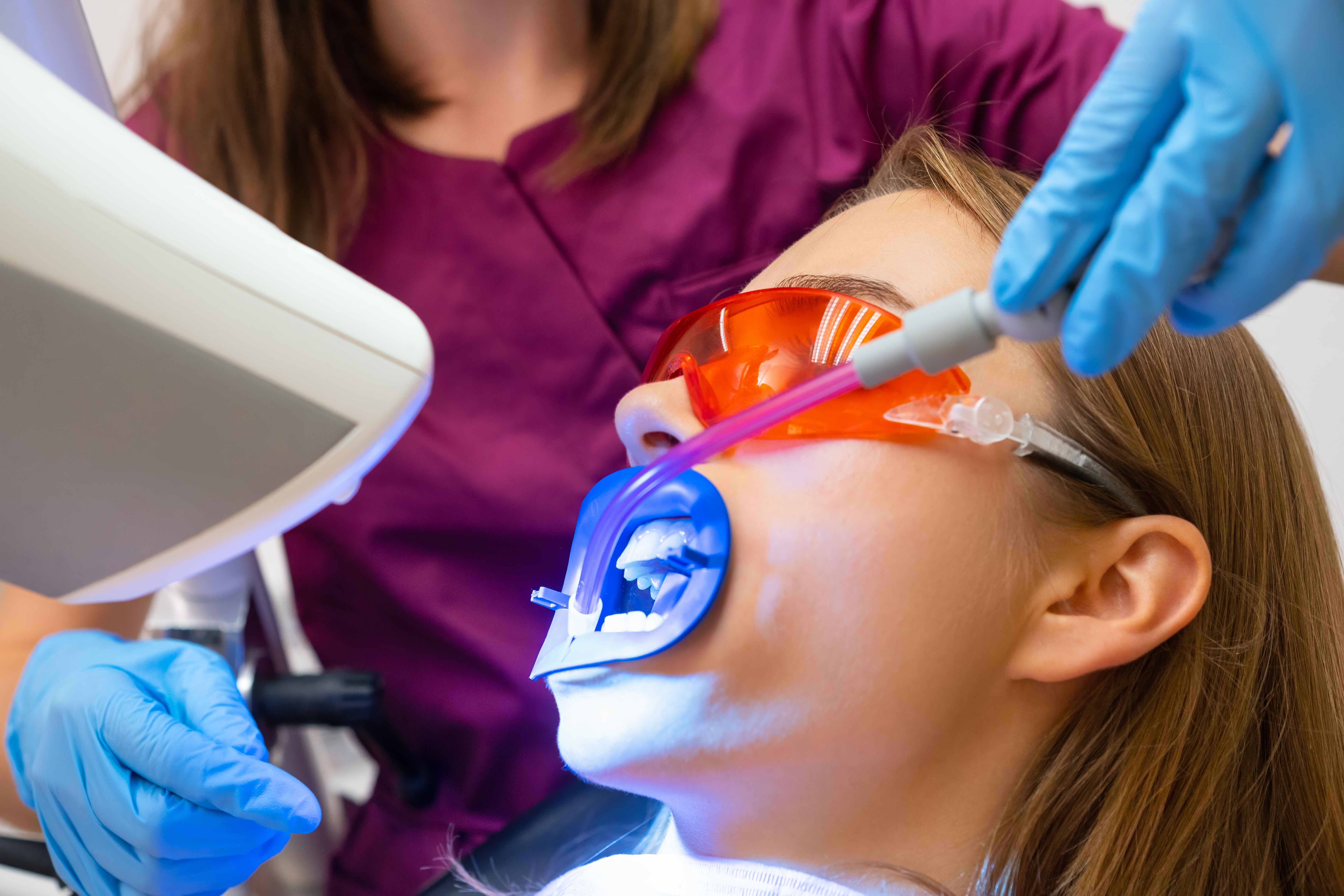
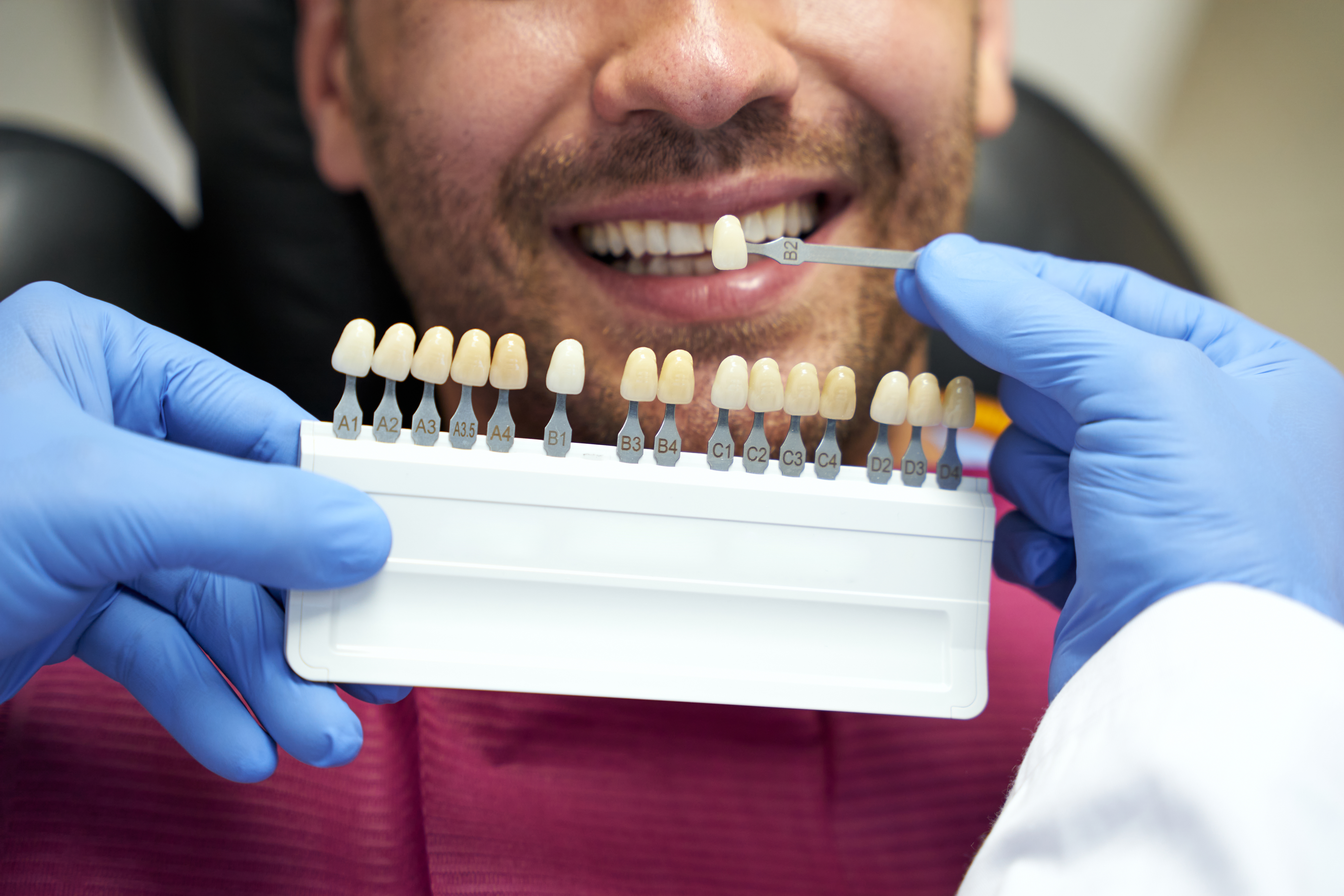
For small chips that haven't reached the dentin layer, your dentist will likely use dental bonding — a tooth-coloured resin applied and shaped directly to the tooth. This procedure typically takes 30–60 minutes and costs between $100 and $400 per tooth in 2026. It's quick, painless, and highly effective for cosmetic and structural restoration of minor fractures.
Moderate to Severe Fractures
If the crack extends into the dentin or has exposed the pulp, you may need a dental crown to cap and protect the remaining structure, or a root canal if the nerve is infected or inflamed. Root canals have an undeserved scary reputation — modern techniques mean most patients feel little to no discomfort during the procedure. Crowns typically range from $800 to $1,800 depending on material and location, while root canal therapy averages $700 to $1,500 for a molar. If the tooth cannot be saved, extraction followed by a dental implant or bridge will be discussed.
How to Find a 24-Hour Emergency Dentist Quickly
When a cracked or broken tooth emergency strikes outside of regular office hours, finding fast, reliable care can feel overwhelming. Start by calling any local dental offices — many maintain an after-hours emergency line even if they don't advertise it. You can also search for "emergency dentist near me" or "24-hour dentist" to locate same-day dental providers in your area.
Look for clinics that explicitly offer walk-in or same-day emergency appointments, accept your dental insurance or offer payment plans, and have strong patient reviews for responsiveness and care. Don't wait until the pain becomes unbearable — the earlier you call, the more treatment options remain available to save your tooth.
Frequently Asked Questions
Is a broken tooth always a dental emergency?
Not every chip requires a 2 a.m. phone call, but all broken teeth should be seen by a dentist as soon as possible — ideally within 24 hours. If you're experiencing severe pain, bleeding, swelling, or visible nerve exposure, treat it as an immediate emergency. Even painless cracks can harbour hidden damage that worsens rapidly without treatment.
Can a broken tooth heal on its own?
No. Unlike bones, teeth cannot regenerate or heal themselves. Once a tooth is cracked or chipped, the damage is permanent without professional dental intervention. Ignoring it will not make it better — it will almost certainly make it worse, leading to infection, deeper fracture, or complete tooth loss.
What if I can't afford emergency dental care right now?
Cost is a genuine concern for many people. However, delaying care nearly always increases the final bill. Ask your emergency dentist about payment plans, CareCredit financing, or sliding-scale fees. Community dental clinics and dental school clinics often provide emergency services at significantly reduced rates. In 2026, most major dental chains also offer promotional same-day emergency consultations for as little as $19–$59.
How long can I wait before seeing a dentist for a broken tooth?
Ideally, no longer than 24–48 hours for any broken tooth. If there is exposed pulp, severe pain, signs of infection (swelling, fever, foul taste), or heavy bleeding, you should seek care within hours, not days. The longer the tooth is left unprotected, the higher the risk of irreversible nerve damage and bacterial infection.
Will I need a root canal for a broken tooth?
Not necessarily. Root canal therapy is only required when the fracture has reached the tooth's pulp (the inner chamber containing nerves and blood vessels) and caused infection or inflammation. Many broken teeth are successfully treated with bonding or crowns alone. Your emergency dentist will take X-rays to assess the extent of the damage before recommending any treatment.
Can I use super glue or household adhesive on a broken tooth?
Absolutely not. Household glues contain toxic chemicals that are unsafe for use inside the mouth and can cause serious damage to your gum tissue and tooth enamel. Use only dentist-approved temporary dental cement products (available at pharmacies) as a short-term stopgap — and always follow up with a professional as quickly as possible.
Conclusion: Act Fast, Protect Your Smile
A broken tooth emergency is frightening, painful, and stressful — but it's also very treatable when you act quickly and wisely. Rinse gently, protect the fragment, manage the pain safely, avoid making the damage worse, and get to an emergency dentist as soon as you possibly can. Every hour counts when it comes to preserving your natural tooth. Don't gamble with your oral health by waiting it out. When you're ready to find a trusted emergency dentist in your area who offers same-day appointments and transparent pricing, visit Top5EmergencyDentist.com — your fastest route to expert emergency dental care, available when you need it most.