A throbbing toothache at 2 a.m., a knocked-out tooth at a weekend soccer game, or a cracked crown discovered hours before an important meeting — dental emergencies have terrible timing. When pain strikes outside normal office hours, searching for a 24 hour dentist near me can feel overwhelming, especially when you're already hurting. The good news: round-the-clock emergency dental care is more accessible than ever in 2026, and knowing exactly where to look — and what to expect — can save you hours of agony and potentially save your tooth. This guide covers everything you need to know, from finding after-hours dental clinics to managing pain at home while you wait.
What Counts as a Dental Emergency?
Not every dental problem requires a midnight trip to an emergency clinic, but some situations absolutely cannot wait until Monday morning. Understanding the difference helps you make the right call — and communicate your urgency clearly when you phone ahead.
Emergencies That Need Immediate Attention (Within Hours)
- Knocked-out (avulsed) tooth: You have a narrow window — ideally 30 to 60 minutes — to reimplant a permanent tooth successfully. Keep it moist in milk or a saline solution and call an emergency dentist immediately.
- Dental abscess: A pus-filled infection near a tooth root or in the gums can spread to the jaw, neck, or even the brain if left untreated. Swelling, fever, and a persistent foul taste are red flags. This is a genuine medical emergency — if swallowing or breathing becomes difficult, go straight to an emergency room.
- Severe, uncontrolled toothache: Pain that is unresponsive to over-the-counter medication and prevents sleep or normal function warrants same-night care.
- Cracked or fractured tooth with exposed nerve: Sharp pain triggered by temperature or biting pressure usually signals nerve involvement that needs prompt treatment.
- Uncontrolled bleeding after extraction: Some oozing is normal, but heavy bleeding that doesn't respond to gentle pressure after 20–30 minutes needs professional attention.
Urgent but Not Always Life-Threatening
- Lost crown or filling causing sensitivity
- Broken orthodontic wire poking soft tissue
- Chipped or broken tooth without severe pain
- Lost temporary crown or veneer
For these issues, calling first thing in the morning or using a same-day appointment slot may be sufficient, though many 24-hour practices will still see you right away.
How to Find a 24 Hour Dentist Near You Fast
In 2026, locating an after-hours emergency dentist is much easier than it was even five years ago. Here are the most reliable methods, ranked by speed.
Online Directories and Search Tools
Typing "emergency dentist open now" or "24 hour dentist near me" into Google Maps is often the fastest first step. Google's real-time listings show current open hours, star ratings, and phone numbers. Filter by "Open now" to cut through the noise. Dedicated dental emergency directories — like Top5EmergencyDentist.com — pre-vet practices and list verified after-hours providers by ZIP code, making them especially reliable when you're in an unfamiliar city or travelling.
Key things to confirm before you drive anywhere:
- The practice is genuinely open (call to verify — online hours can lag).
- They treat your specific issue (some emergency clinics focus on extractions and pain relief only).
- They accept walk-ins or can fit you in within the hour.
- They accept your insurance or can provide a cost estimate upfront.
Hospital Emergency Rooms — When and Why to Use Them
Emergency rooms are not equipped for most dental procedures — they can't perform root canals or place crowns — but they can prescribe antibiotics for a spreading infection, provide IV pain management, and handle trauma injuries to the jaw or face. If you're experiencing facial swelling that's affecting your airway, a high fever alongside dental pain, or significant facial trauma, head to the ER first. According to the American Dental Association, approximately 2 million people visit emergency rooms for dental issues each year in the U.S., many of whom could have been seen sooner by an emergency dentist. The ER is a safety net, not a dental office substitute.
What to Expect at a 24 Hour Emergency Dental Clinic
Knowing what happens when you walk through that door at midnight can reduce a lot of anxiety. Emergency dental visits typically follow a streamlined process designed to address pain and stabilise your situation quickly — even if full treatment happens at a follow-up appointment.
The Emergency Visit Process
- Intake and triage: You'll briefly describe your symptoms. Life-threatening signs (difficulty breathing, extreme swelling) will move you to the front of the queue.
- X-rays: Digital X-rays are almost universally used now and provide results in seconds, helping the dentist diagnose the root cause rapidly.
- Pain relief first: Local anaesthetic is usually administered before any examination of a painful area. Relief often begins within minutes.
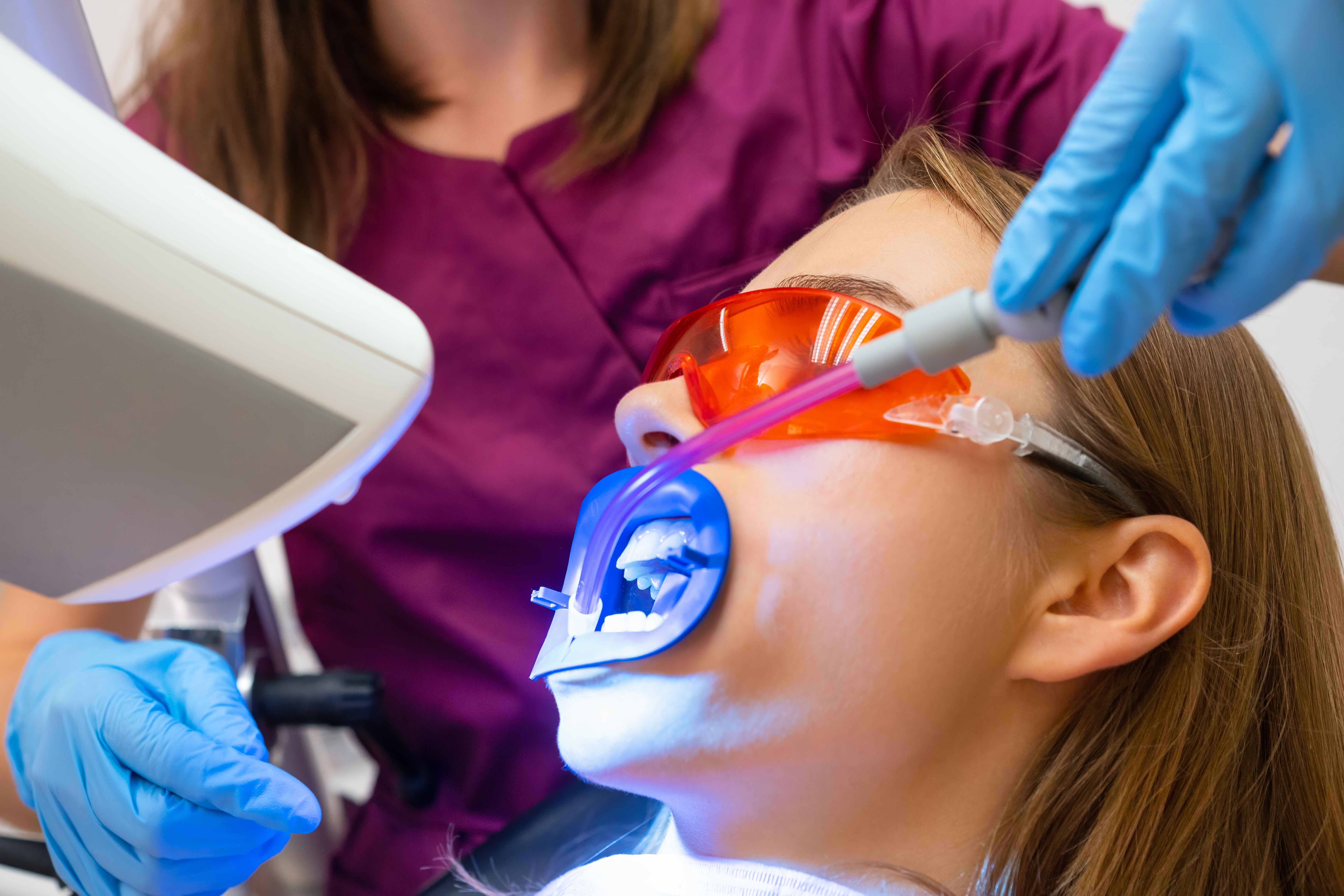
- Emergency treatment: This may include a tooth extraction, temporary filling, drainage of an abscess, re-cementing a crown, or splinting a knocked-out tooth.
- Antibiotics and aftercare prescriptions: If infection is present, antibiotics are prescribed. You'll also receive aftercare instructions and, typically, a referral for any follow-up work needed.
How Much Does a 24 Hour Dentist Cost in 2026?
Emergency dental care does carry a premium, but the numbers vary widely depending on treatment type, location, and whether you have insurance. Here are rough 2026 averages for common emergency procedures in the United States:
- Emergency exam + X-rays: $75–$200
- Tooth extraction (simple): $150–$350
- Tooth extraction (surgical/wisdom tooth): $300–$600
- Root canal (front tooth): $700–$1,000
- Root canal (molar): $900–$1,500
- Re-cementing a crown: $75–$200
- Dental abscess drainage: $150–$400
If you're uninsured, ask about in-house payment plans, dental savings plans (which can cut costs by 20–50%), or CareCredit financing. Many 24-hour practices offer these options because they understand emergencies don't come with financial preparation.
Pain Management While You Wait for Your Appointment
Whether your appointment is in 30 minutes or three hours away, managing pain effectively in the interim matters. These dentist-approved strategies can take the edge off while you wait.
Safe At-Home Relief Methods
- Over-the-counter NSAIDs: Ibuprofen (Advil) is consistently rated the most effective OTC option for dental pain. A dose of 400–600 mg every 6–8 hours (if safe for you) can significantly reduce inflammation and pain. Check with a healthcare provider if you have contraindications.
- Clove oil (eugenol): Apply a tiny amount of diluted clove oil to a cotton ball and dab it directly on the affected tooth and gum. Eugenol is a natural anaesthetic used in professional dental materials — it works remarkably well for temporary relief.
- Cold compress: Apply an ice pack wrapped in a cloth to your cheek for 15–20 minutes at a time to reduce swelling and numb the area. Do not apply ice directly to skin.
- Salt water rinse: Dissolve half a teaspoon of salt in 8 ounces of warm water and gently rinse. This reduces bacteria and can soothe inflamed gum tissue.
- Keep your head elevated: Lying flat can increase blood pressure in the head and intensify throbbing tooth pain. Sleep propped up if you need to rest before your appointment.
Important: Do not place aspirin directly on a tooth or gum — this is a common myth that can cause chemical burns to soft tissue.
Preventing Future Dental Emergencies
While it's impossible to predict every accident, a significant number of dental emergencies are preventable with consistent oral care habits and proactive dental visits.
Smart Habits That Reduce Emergency Risk
- Attend regular check-ups: Bi-annual exams catch small cavities, early-stage gum disease, and micro-cracks before they become 2 a.m. emergencies. A routine filling costs far less than an emergency root canal.
- Wear a custom mouthguard: If you play contact sports, a properly fitted mouthguard (not a generic boil-and-bite version) dramatically reduces your risk of knocked-out and cracked teeth. The American Dental Association estimates mouthguards prevent more than 200,000 oral injuries per year.
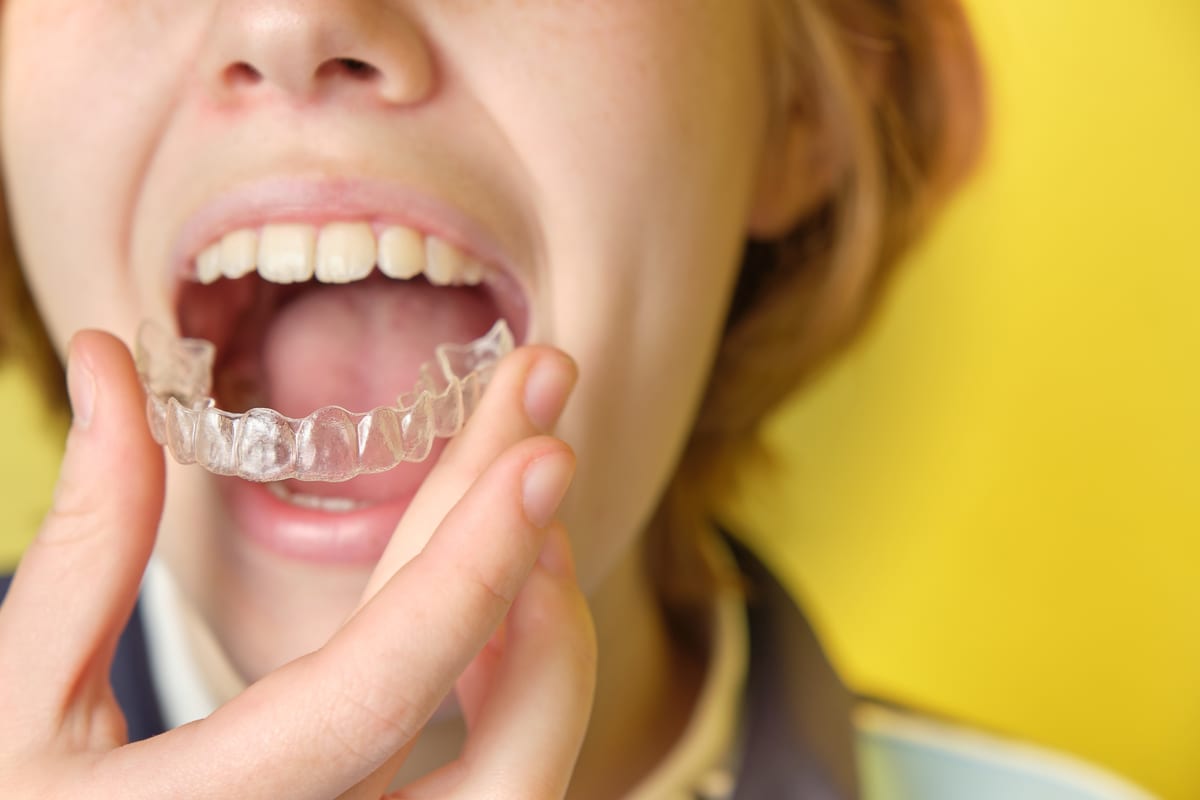
- Address teeth grinding (bruxism): Chronic grinding weakens enamel, cracks teeth, and fractures existing restorations. A custom nightguard from your dentist protects your teeth while you sleep.
- Don't use your teeth as tools: Opening packages, biting nails, or cracking nuts with your teeth are leading causes of unexpected fractures.
- Replace old, large fillings: Large amalgam or composite fillings that are 10+ years old are at risk of failure. Have your dentist monitor them and plan replacement before they crack under pressure.
- Treat dry mouth: Saliva protects teeth. Medications, medical conditions, and chronic mouth breathing can cause dry mouth, accelerating decay and increasing emergency risk.
Frequently Asked Questions
Is a 24 hour dentist near me really available around the clock?
True 24/7 dental clinics exist but are more common in large metropolitan areas. In smaller cities and suburbs, "24 hour" sometimes means extended hours (until midnight) plus an on-call dentist who can arrange an after-hours appointment. When you search for a 24 hour dentist near me, always call ahead to confirm current availability rather than relying solely on listed hours. Emergency dental directories like Top5EmergencyDentist.com verify provider availability to save you that guesswork.
Will an emergency dentist pull my tooth on the first visit?
Only if an extraction is the best or only appropriate treatment. Most emergency dentists prefer to save natural teeth wherever possible. They may perform emergency root canal therapy, place a temporary filling, or prescribe antibiotics to control infection before a full treatment plan is decided. An extraction at the first visit typically happens when a tooth is severely infected, non-restorable, or causing an imminent health risk.
What should I do if my tooth gets knocked out?
Act fast — you have the best chance of saving the tooth if it's reimplanted within 30 minutes. Pick the tooth up by the crown (the chewing surface), not the root. Rinse it gently with clean water if dirty, but don't scrub it. Try to re-insert it into the socket if possible, or keep it moist in a glass of cold milk, saline solution, or between your cheek and gum. Call an emergency dentist immediately and let them know a tooth has been avulsed — this flags your case as urgent.
Does dental insurance cover emergency visits at a 24 hour clinic?
Most dental insurance plans cover emergency exams and some emergency procedures, though coverage details vary. The key is whether the provider is in-network. If you visit an out-of-network emergency dentist, you may still receive partial reimbursement depending on your plan. Always carry your insurance card and ask the front desk to verify benefits before treatment begins. Uninsured patients should ask about payment plans or dental savings plan memberships on the spot.
How do I know if a toothache is serious enough to go to an emergency dentist?
A useful rule of thumb: if the pain is preventing you from sleeping, eating, or functioning normally — or if you have facial swelling, fever, or visible pus — seek emergency care that same day. Mild sensitivity to temperature that comes and goes can often wait for a next-day appointment, but don't ignore worsening symptoms. When in doubt, call an emergency dental line. Most practices offer free phone triage to help you decide the appropriate level of urgency.
Can I go to urgent care instead of an emergency dentist?
Urgent care centers can treat the symptoms of a dental emergency — prescribing antibiotics for an infection or pain medication — but they cannot perform dental procedures. They're a viable option when no dental clinic is accessible, but they should be followed up with a dentist as soon as possible. A prescription for antibiotics treats the infection temporarily; it doesn't address the underlying dental cause, which will return and potentially worsen without proper dental treatment.
Conclusion
Dental emergencies are stressful, painful, and rarely convenient — but they don't have to spiral into a crisis when you know how to act. Whether you're dealing with a knocked-out tooth, a raging toothache, or a swollen jaw at an inconvenient hour, understanding where to turn and what to do can make all the difference. Save a reliable emergency dental resource in your phone before you need it, keep a small dental first-aid kit at home (clove oil, dental wax, pain reliever, and a mirror), and never hesitate to call an emergency line if you're unsure about your symptoms. When you're ready to find qualified, vetted emergency dental providers in your area, visit Top5EmergencyDentist.com — your trusted resource for finding expert emergency dental care any time, day or night.